



If you love all things sushi
this {Pageturner Ecookbook} is for you
Nigiri and Sashimi
Japanese cuisine has gained worldwide recognition and appreciation for its unique flavors, meticulous preparation, and artistic presentation. Among the many delicacies that Japanese cuisine offers, nigiri and sashimi stand out as exceptional examples of the country's culinary prowess.
Popular Sashimi Varieties
Sashimi offers a diverse range of options, allowing diners to explore different flavors and textures. Some popular types of sashimi include:
Maguro (Tuna): Tuna sashimi is highly sought after for its rich flavor and buttery texture. It can be enjoyed in various cuts, such as akami (lean), toro (fatty), and otoro (extra fatty).
Sake (Salmon): Salmon sashimi is beloved for its vibrant color, delicate flavor, and velvety texture. It is a staple in Japanese cuisine.
Hamachi (Yellowtail): Hamachi sashimi is prized for its mild and slightly sweet flavor. The firm texture of yellowtail provides a delightful contrast.
Tai (Red Snapper): Red snapper sashimi is known for its delicate and subtly sweet taste. It is often enjoyed with a touch of soy sauce and wasabi.
Uni (Sea Urchin): Uni sashimi offers a unique and creamy texture with a rich, briny flavor. It is a delicacy in Japanese cuisine.
Hotate (Scallop): Scallop sashimi showcases the sweet and tender flesh of the scallop, which pairs well with a splash of citrus or ponzu sauce.
These are just a few examples of the diverse range of sashimi options available. Each variety offers a distinct flavor profile and texture, providing a truly exquisite dining experience.
These two dishes showcase the freshness of raw seafood and the skillful craftsmanship of Japanese chefs.
While nigiri and sashimi are often associated with sushi, it's important to understand their distinctions. Nigiri consists of thinly sliced raw fish served atop vinegared rice, while sashimi refers to the art of serving raw fish or meat without rice. In this comprehensive guide, we will delve into the origins, flavors, and cultural significance of nigiri and sashimi, providing you with a deeper understanding of these exquisite Japanese culinary creations.
more at https://www.myeclecticbites.com/easy-maki-roll-recipe/

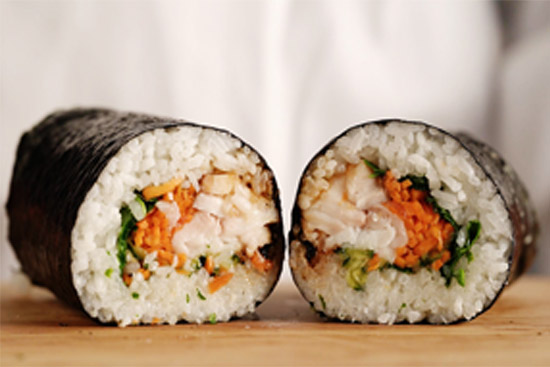
Black cod sushi burrito 
Serves: 5
Preparation time:30 minutes
Cooking time:30 minutes
Sushi Rice
4 cups Sushi Rice
5 cups Cool Water
6 tablespoons Seasoned Rice Vinegar
3 tablespoons White Sugar
1/2 tablespoon sea salt
Miso Marinade
6 ounces White Miso Paste
4 ounces White Sugar
2 ounce Mirin
1 ounces low Sodium Soy Sauce
1 ounce Fresh Ginger, minced
Oven-Roasted Sweet Miso Cod
Miso Marinade, As Needed
6 Black Code Fillets, 4 to 5 ounces each
Tsukemono Salad
1/2 cup seasoned Rice Vinegar
1/4 cup sugar
1 tbsp Sea Salt
1/4 cup ginger Shoots
1 cup carrots, julienne
1 cup cucumber, cut into circles
Nori Sheets, As Needed
Japanese Mustard Greens (Mizuna), As Needed Sushi Rice:
Rinse and drain rice in a colander until water runs clear. Combine rinsed rice and cool water in a saucepot. Turn heat to medium high and bring water to a simmer. Turn heat to low, cover and continue cooking another 15 to 20 minutes, or until rice is tender and water is absorbed. Remove the pot from the burner, and keep covered, to allow rice to cool for 15 minutes. Turn rice out of pot into a large bowl and gently fluff with a rice spoon to separate the grains. Add vinegar, sugar and salt, and continue fluffing until well blended. Allow rice to cool.
Miso Marinade:
Combine all ingredients in a mixing bowl and whisk to combine.
Oven-Roasted Sweet Miso Cod:
Preheat the oven to 400°F. Heat a grill pan with oil. Grill the cod, skin side up for 3 minutes, or until golden brown. Turn the cod over and brush liberally with miso marinade. Place cod in oven and roast until just opaque throughout. Broil cod with a culinary torch or in a salamander to caramelize.
Tsukemono Salad:
Combine vinegar, sugar and salt in a medium size saucepan. Heat slowly to melt sugar and salt until dissolved. Combine vegetables in a stainless steel or glass bowl and pour hot vinegar mixture over vegetables. Toss to combine and let sit for 5 minutes. Strain off vinegar mixture and save for another use.
Sushi Burritos:
Using a culinary torch or a salamander, toast nori sheets on one side only to make nori crispy.
Place a sheet of toasted nori on a flat work space, shiny-side down. Moisten one end and place a second sheet of toasted nori on moistened edge, overlapping sheets by about an inch, so they are end-to-end, forming a long rectangle. Press rice onto nori sheet as you would any roll. Leave 1 inch of nori uncovered on end closest to you. Leave 6 inches of nori uncovered on the opposite end.
Arrange Tsukemono salad on top of rice and pile a generous amount of Japanese mustard greens on top. . Gently break apart miso cod fillet into bite-size pieces and arrange crosswise on rice on the end closest to you. Roll burrito as you would a regular hand roll, taking care to make the burrito tight and compact. Cut the roll in half crosswise for serving.
Serving Suggestion: Mix together wasabi paste and sour cream with Ponzu Citrus Seasoned Dressing & Sauce to taste for a dipping sauce.
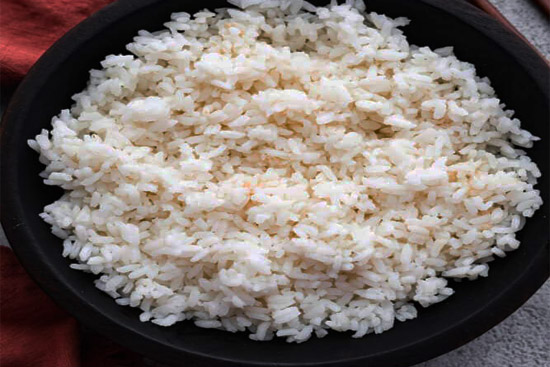
Sushi rice
Serves: 6
Preparation time:30 minutes
Cooking time:20 minutes
2 cups Japanese short-grain rice
2 to 2½ cups water (depending on method)
¼ to ⅓ cup rice vinegar
2–3 tablespoons sugar or honey
1 teaspoon fine sea salt
Optional: 4-inch piece of kombu (dried kelp) for umami Instructions
1. Rinse the Rice: Place the rice in a fine-mesh strainer and rinse under cold water, gently stirring, until the water runs almost clear. This removes excess surface starch and prevents mushiness while allowing the rice to stick properly.
2. Soak the Rice: Soak the rinsed rice in cold water for 15–30 minutes. This helps the grains absorb water evenly and enhances stickiness.
3. Cook the Rice:
Stovetop: Combine rice and water in a pot, cover, bring to a boil, then reduce heat to low and simmer for 12–20 minutes. Let it rest covered for 10 minutes.
Rice Cooker/Instant Pot: Follow manufacturer instructions using the same rice-to-water ratio. Avoid lifting the lid during cooking to retain steam.
4. Prepare the Seasoning: In a small saucepan, combine rice vinegar, sugar, and salt. Heat gently until dissolved. Optionally, add mirin for sweetness.
5. Season the Rice: Transfer cooked rice to a wide, non-metallic bowl. Gently fold in the vinegar mixture using a slicing and lifting motion to avoid mashing the grains. Fan the rice while mixing to cool it and give it a glossy finish.
6. Cool Properly: Cover the rice with a damp cloth and let it cool to room temperature. Sushi rice becomes stickier as it cools, so avoid using it immediately while too hot.
Tips for Perfect Stickiness
Always use short-grain Japanese rice; long-grain rice will not stick properly.
Avoid over-stirring or pressing the rice, which can break grains and reduce stickiness.
Optional kombu adds subtle umami flavor but is not essential.
Use a slightly higher water-to-rice ratio (around 1.2:1) for extra stickiness.
If needed, moisten hands or utensils with water when shaping to prevent sticking.
Storage
Use rice within 4–5 hours at room temperature for best texture.
Store leftovers in an airtight container in the refrigerator for up to 24 hours; it will lose some stickiness but can be repurposed for bowls or fried rice.
Following these steps will give you restaurant-quality sticky rice suitable for rolls, nigiri, poke bowls, or bowls.
conversion of liquids
Weights
Temperatures
Measures of non liquid ingredients
Non-liquid ingredients in volume converted
|
|||||||
|---|---|---|---|---|---|---|---|
Ingredient |
1 cup |
3/4 cup |
2/3 cup |
1/2 cup |
1/3 cup |
1/4 cup |
2 tablespoons |
| All-purpose wheat flour | 120 g | 90 g | 80 g | 60 g | 40 g | 30 g | 15 g |
| All-purpose sifted wheat flour | 110 g | 80 g | 70 g | 55 g | 35 g | 27 g | 13 g |
| White sugar | 200 g | 150 g | 130 g | 100 g | 65 g | 50 g | 25 g |
| Powdered sugar/Icing sugar | 100 g | 75 g | 70 g | 50 g | 35 g | 25 g | 13 g |
| Brown sugar normally packed | 180 g | 135 g | 120 g | 90 g | 60 g | 45 g | 23 g |
| Corn flour | 160 g | 120 g | 100 g | 80 g | 50 g | 40 g | 20 g |
| Cornstarch | 120 g | 90 g | 80 g | 60 g | 40 g | 30 g | 15 g |
| Rice (not-cooked) | 190 g | 140 g | 125 g | 95 g | 65 g | 48 g | 24 g |
| Macaroni (uncooked) | 140 g | 100 g | 90 g | 70 g | 45 g | 35 g | 17 g |
| Couscous (uncooked) | 180 g | 135 g | 120 g | 90 g | 60 g | 45 g | 22 g |
| Quick oatmeal (uncooked) | 90 g | 65 g | 60 g | 45 g | 30 g | 22 g | 11 g |
| Table salt | 300 g | 230 g | 200 g | 150 g | 100 g | 75 g | 40 g |
| Butter / Margarine | 240 g | 180 g | 160 g | 120 g | 80 g | 60 g | 30 g |
| Shortening | 190 g | 140 g | 125 g | 95 g | 65 g | 48 g | 24 g |
| Fruits and légumes chopped | 150 g | 110 g | 100 g | 75 g | 50 g | 40 g | 20 g |
| chopped walnuts | 150 g | 110 g | 100 g | 75 g | 50 g | 40 g | 20 g |
| Nuts /ground almonds | 120 g | 90 g | 80 g | 60 g | 40 g | 30 g | 15 g |
| Fresh bread crumbs (not packed) | 60 g | 45 g | 40 g | 30 g | 20 g | 15 g | 8 g |
| Dry bread crumbs | 150 g | 110 g | 100 g | 75 g | 50 g | 40 g | 20 g |
| Parmesan grated | 90 g | 65 g | 60 g | 45 g | 30 g | 22 g | 11 g |
| Chocolate chips | 150 g | 110 g | 100 g | 75 g | 50 g | 38 g | 19 g |




Last page
sushi
{Page-Turner} E-Cookbooks Library
on a world cooking journey.
2 Recipes
sushi recipes